
No Fear to Rugose
Tomatoes Resistant to ToBRFV
Thanks to our experience and commitment to continuous improvement, we have developed tomatoes that are naturally resistant to the Tomato Brown Rugose Fruit Virus (ToBRFV), protecting your harvest and ensuring maximum profitability for you, the farmer.
These varieties not only symbolize our passion for excellence but also our promise to create a safer and more sustainable future for global agriculture. Together, we continue to move forward, innovate, and cultivate without fear of ToBRFV.
Our Varieties
At Yuksel Seeds, we have developed a whole line of tomatoes naturally resistant to the ToBRFV (Tomato Brown Rugose Fruit Virus), providing you with security and confidence. Thanks to our wide range of resistant tomatoes, you can cultivate without fear of the rugose virus.
Catalog of ToBRFV-Resistant Varieties
Varieties grouped by segment for easy browsing.
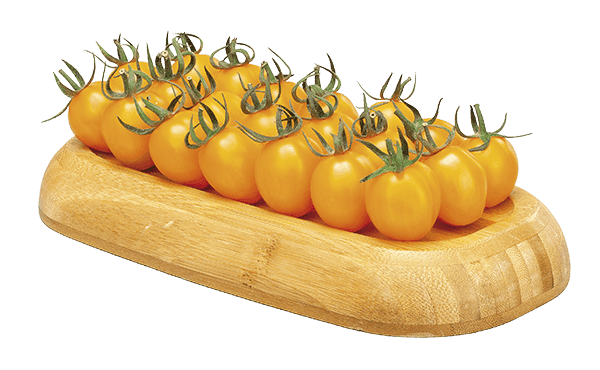
Cherry(3 varieties)



Cluster(2 varieties)


Cocktail(1 varieties)

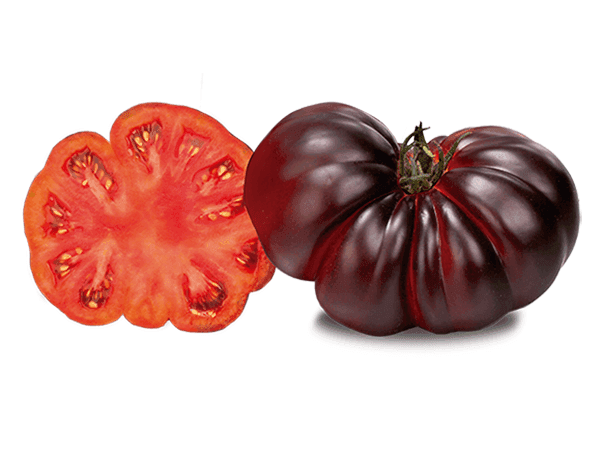
Heirloom(3 varieties)
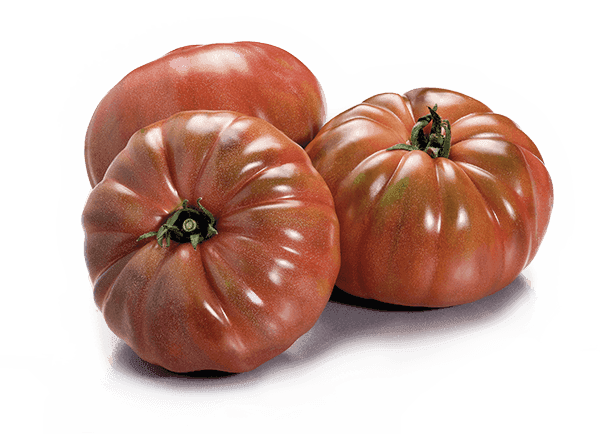
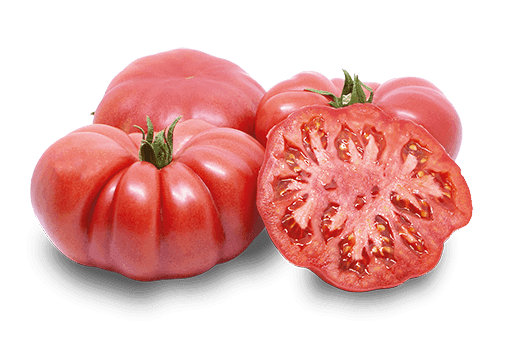
Loose(3 varieties)
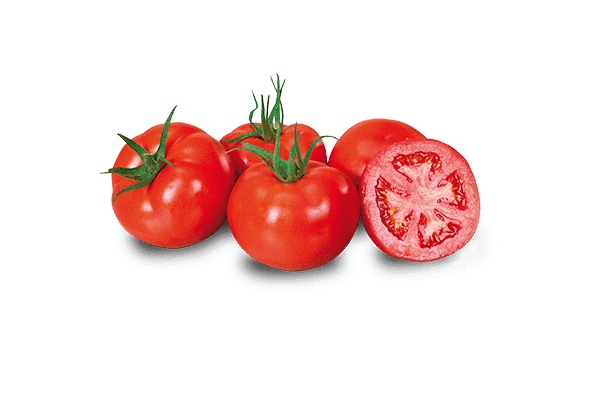


Mini Plum(3 varieties)



Oval(3 varieties)
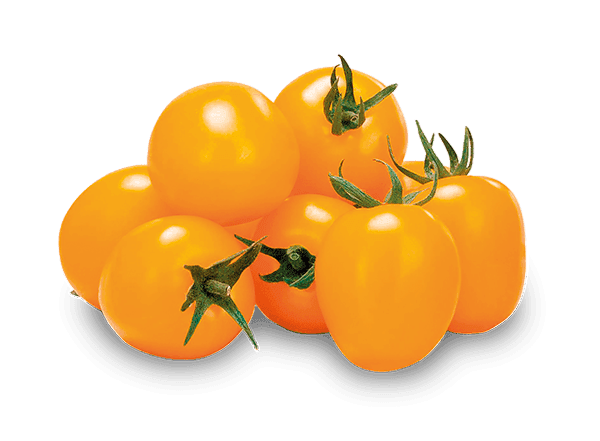
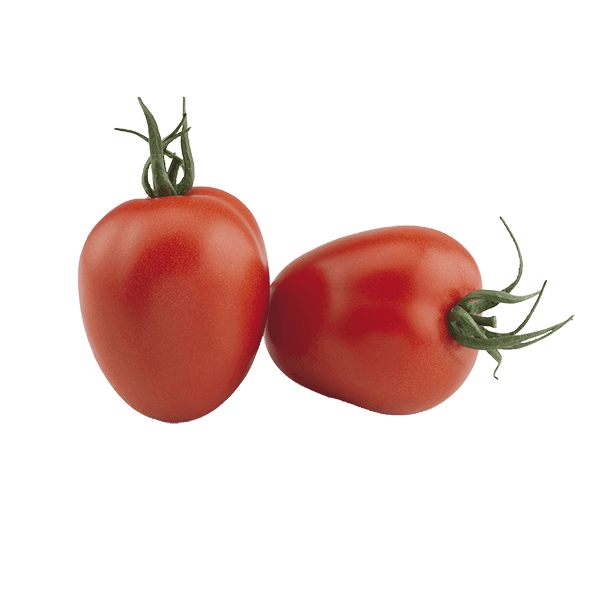
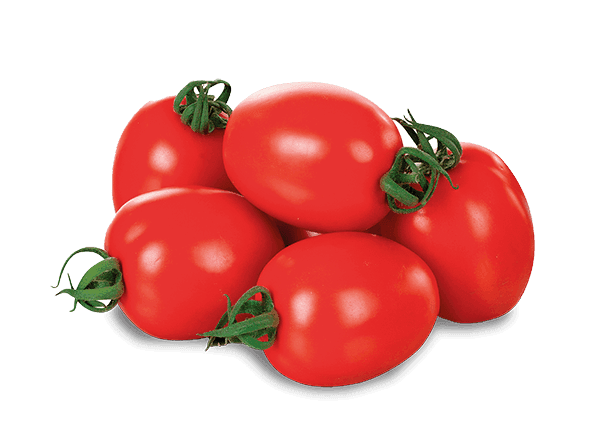
Pink(2 varieties)
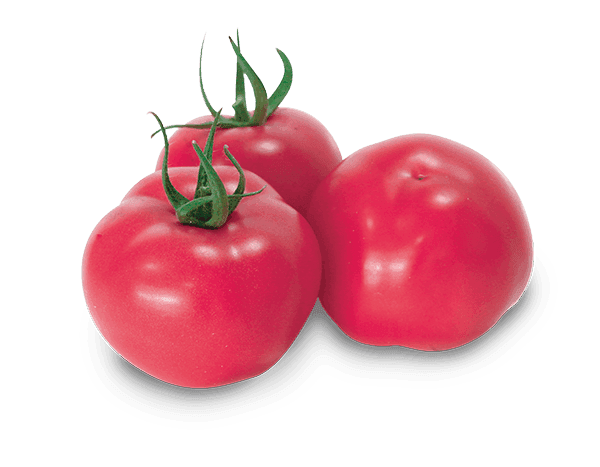





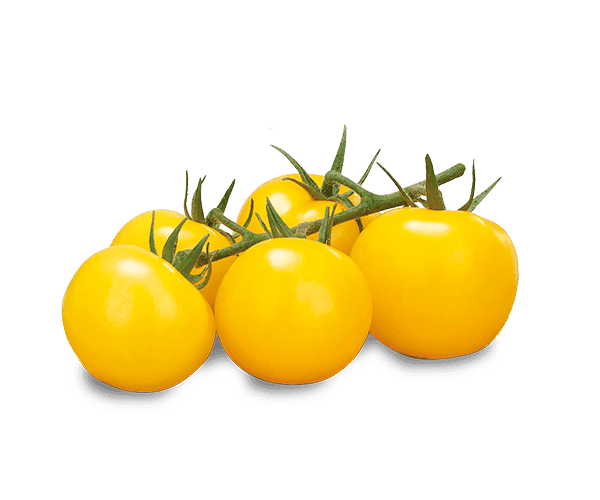


Tomato(1 varieties)
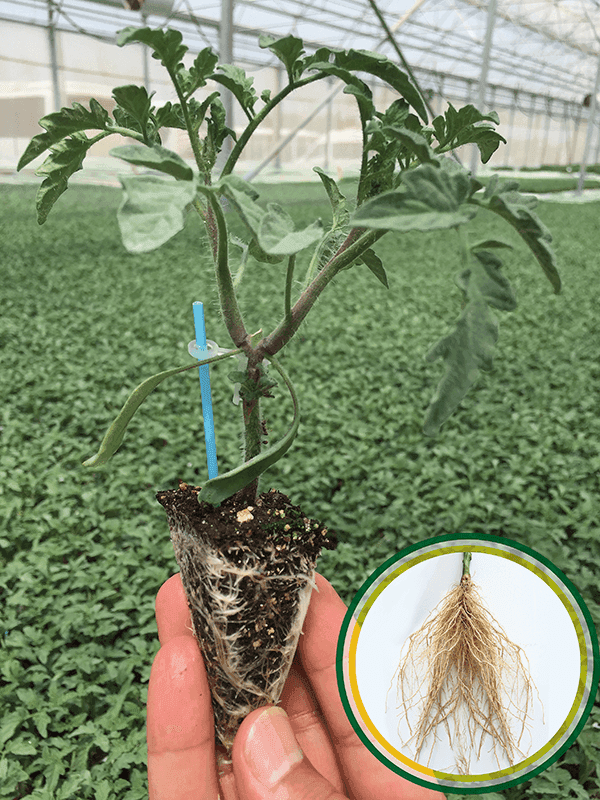
The Rugose Virus
The Tomato Brown Rugose Fruit Virus (ToBRFV) poses a serious threat to tomato crops. Part of the tobamovirus group—renowned for their resilience and ability to persist on surfaces and tools for extended periods—this virus can devastate crops, causing plant losses of up to 90% in severe cases. Such outbreaks result in significant economic damage for growers. Diagnosing ToBRFV can be complicated due to its symptoms' similarity to other common tomato diseases.
Main symptoms on leaves
- Yellowing of veins and spherical blisters
- Mosaic-shaped spots, especially on young leaves
- Yellowing of veins and narrowing of the leaf blade
- Symptoms predominantly on upper leaves
- Necrotic spots on flower stem and calyx in severe cases
Main symptoms on fruits
- Yellow and brown spots and lesions
- Brown wrinkles on the fruit surface
- Significant reduction in yield and fruit quality
While these symptoms do not pose a risk to human health, they severely impact tomato production and commercial quality.
Transmission of ToBRFV
The virus spreads primarily through mechanical means, entering plants via wounds during pruning, harvesting, and handling. It can also be transmitted through contaminated tools, clothing, people, and equipment. Pollinating bees and certain biological control insects may act as vectors as well.
Prevention measures
The virus can survive in soil, water, plant debris, and seeds. Strict hygiene is critical.
- Implement strict hygiene practices in greenhouses
- Conduct thorough pre-season cleaning and disinfection
- Remove visible impurities and apply effective disinfectants (sodium hypochlorite or hydrogen peroxide)
Control and limiting the spread
- Confirm virus presence and remove affected plants (1.5 m from symptomatic plants)
- Safely remove and destroy infected plants; disinfect all tools
- Disinfect soil using solarization, steam, or chemical treatments
- Clean and disinfect surfaces, irrigation pipes, and tools before and after each use
- Enforce strict access controls, hand and clothing disinfection
Download the Catalog of Varieties with Resistance to Rugose
Contact us to receive our complete portfolio of tomato varieties naturally resistant to ToBRFV.
Request Catalog